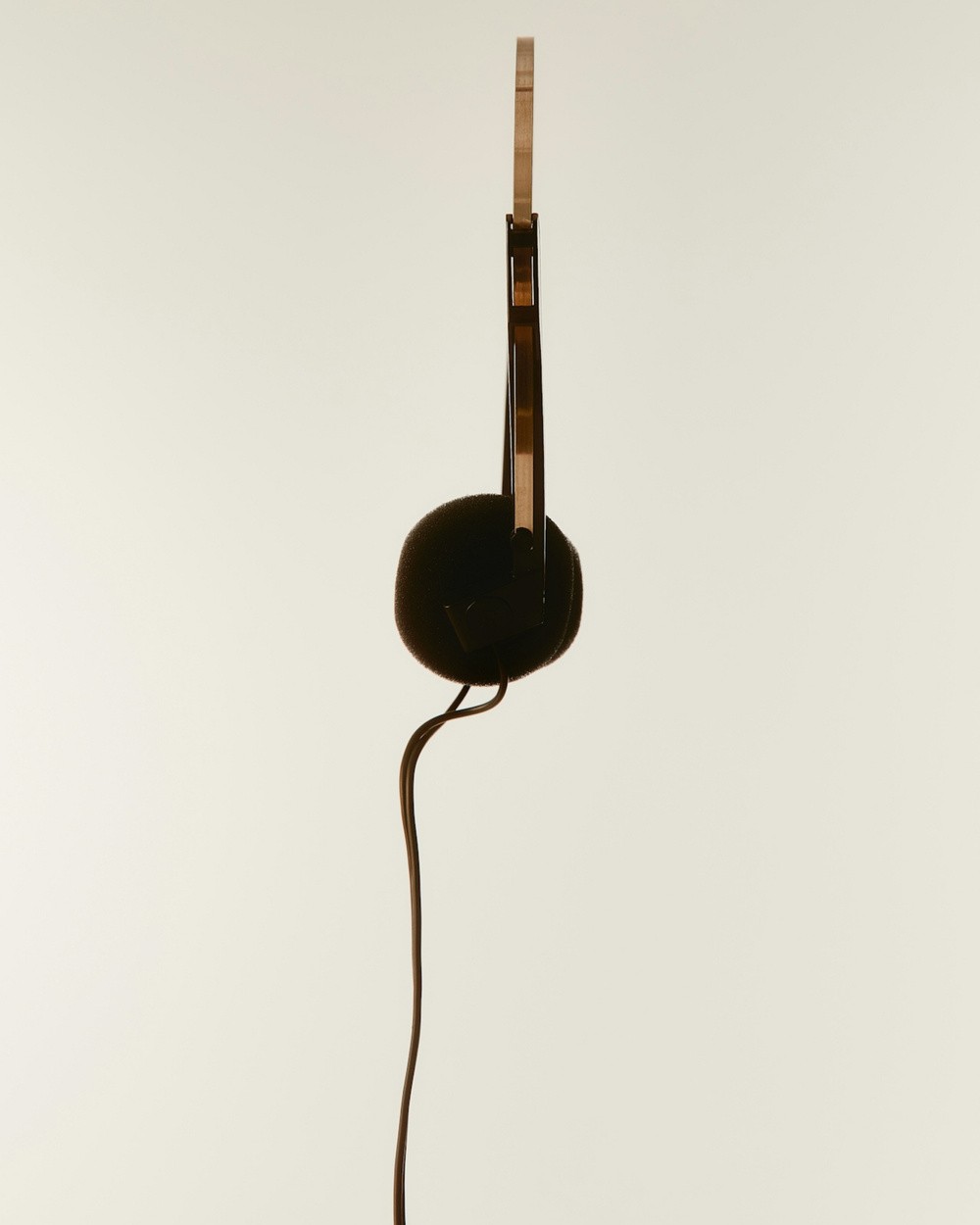
For decades, brand identity has been a visual affair, built on the cornerstones of logos, colour palettes, copywriting and font families. If you’re still operating solely on that premise, you’re behind (and missing a trick).
The digital landscape is ubiquitous with screens, where brands and creators fight with visual hooks to keep our attention long enough for us to remember their name. But, things are shifting beyond just the visuals to include audio-based approaches. We're talking about aural aesthetics.
Side note, and I’mma say this loud for the people at the back 📢THIS IS NOT ABOUT TONE OF VOICE📢.
This is about a sophisticated, intentional soundscaped approach to a brand’s actual, audible noise across every touchpoint. Think about the distinctive ‘Tudum’ when you switch on Netflix, the ‘bloop’ from a Grindr notification that turns heads on the underground or the unique throat singing from White Lotus’ intro sequence. They’re carefully crafted elements of a brand's identity, which have stories and scandals attached to them in online culture.
The shift towards aural branding makes sense when you consider how we consume content. 10 years ago, marketing meetings were filled with “Yes, but is it a sound-on platform?” and “I know that, but do users really have their headphones plugged in whilst they’re walking to the underground?” - but now, it’s kind of a given. Podcasts are booming, smart speakers are in homes, and wireless headphones are the standard so people are connected as soon as they’re out and about with social feeds filled with short-form entertainment that’s often driven by sound.
This also extends to the type of voice used in voice assistants that can essentially act as a brand's social ambassador (think TikTok text-to-voice in-app feature), and even the nuanced audio cues in augmented reality experiences. A brand’s 'voice' literally extends beyond its written tone to its spoken and played one.
The brands that are getting this right are building a competitive edge. They’re creating a multi-sensory experience that is harder to replicate and more deeply embedded in the consumer's subconscious. As we move further into a world of voice interfaces and immersive digital environments, ignoring the power of sound would be a significant oversight.
Nov 3, 2025