Think a keyboard is just a tool to bash out emails and doom-scroll? Think again.
A subculture has been quietly (and sometimes very loudly) growing around mechanical keyboards, transforming them from mundane peripherals into objects of obsession. We're talking custom keycaps in every colour imaginable, switches with names like 'Cherry KC 200' and 'Holy Panda' that offer a specific tactile feel and auditory thwack, and enough online communities to make your head spin.
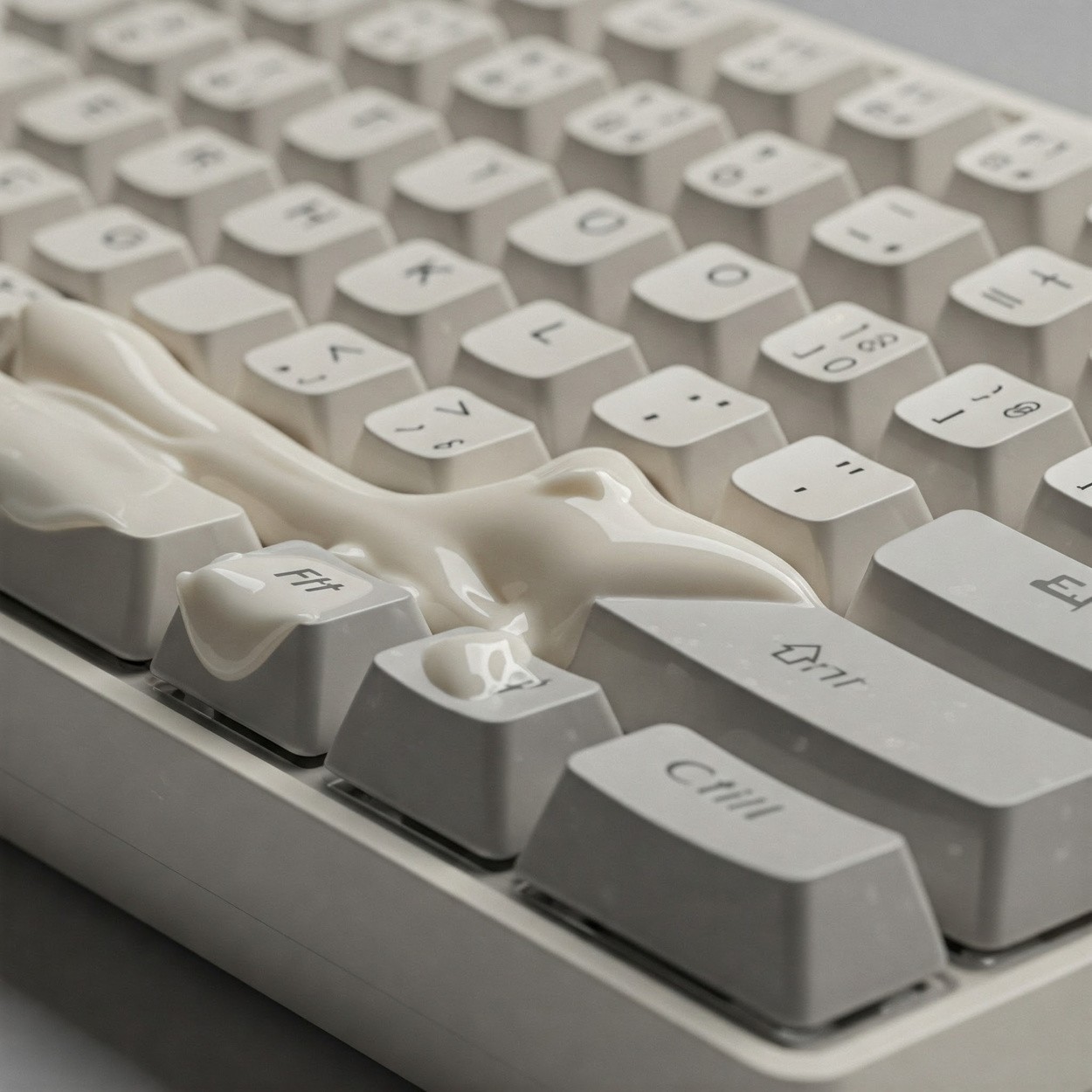
When you delve into the real nitty-gritty, you'll hear people talking about the sound. Forget sharp, tinny clicks. A truly sought-after mechanical keyboard, especially with certain switches and a bit of lubricant magic, produces a sound often described as "creamy". It's a deeper, more substantial thock or clack that has a smooth, almost viscous quality. Think of the difference between a cheap plastic toy clicking and the satisfyingly weighty sound of a well-engineered mechanism. That's the auditory sweet spot these enthusiasts are chasing. (Do we win the award for the most onomatopoeic article yet?)
So, what's the big deal? For the uninitiated, it might seem utterly bonkers. Spending serious money on something you just… type on? But for enthusiasts, it's about more than just putting words on a screen. It's about the feel of each keystroke, the satisfying soundscape, and the sheer customisability that turns a functional item into a personal statement.
The roots of this obsession go way back, to the early days of computing when keyboards were robust, tactile beasts. Think IBM Model Ms – those chunky beige things that felt like typing on a tank. There's a nostalgia element for some, a yearning for that solid, responsive feedback that modern, low-profile keyboards often lack.
But it's not just about retro vibes. The mechanical keyboard scene has evolved into a vibrant hobbyist community. People build their own keyboards from scratch, soldering components, experimenting with different layouts, and meticulously sourcing the perfect keycaps. It's part engineering, part art, and a whole lot of personal expression.
Why the sudden surge in popularity? Perhaps it's a reaction to the increasingly homogenous tech landscape. In a world of sleek, minimalist devices that all look and feel the same, a custom mechanical keyboard offers a chance to stand out, to have something truly unique on your desk. It's a tactile anchor in an increasingly digital world.
Is this just a niche fad for hardcore techies? Maybe. But the growing interest and the passionate communities suggest there's something more to it. A well-built mechanical keyboard isn't just a tool; it's an experience. And in a world saturated with the ordinary, a little bit of tactile satisfaction can go a long way.
Oct 27, 2025